
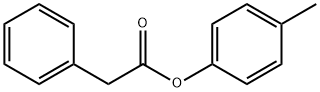
苯乙酸对甲苯酯 ,P-cresyl phenylacetate ,≥99%
产品编号:SIGMA-W307718| CAS NO:101-94-0| 分子式:C15H14O2| 分子量:226.2705
本网站销售的所有产品仅用于工业应用或者科学研究等非医疗目的,不可用于人类或动物的临床诊断或者治疗,非药用,非食用,
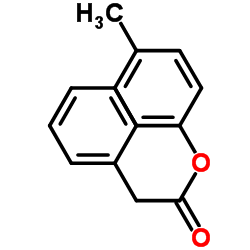
| 产品名称 | 苯乙酸对甲苯酯 |
|---|---|
| 英文名称 | P-cresyl phenylacetate |
| CAS编号 | 101-94-0 |
| 产品熔点 | 74-76 °C(lit.) |
| 产品沸点 | 359.7±21.0 °C at 760 mmHg |
| 产品密度 | 1.1±0.1 g/cm3 |
| 产品闪点 | 122.3±11.0 °C |
| 精确质量 | 226.099380 |
| PSA | 26.30000 |
| LogP | 3.76 |
| 蒸气压 | 0.0±0.8 mmHg at 25°C |
| 折射率 | 1.570 |
| 稳定性 | 白色结晶,溶于4~5体积95%乙醇,不溶于水、丙二醇和甘油。具有咸浊的汗骚样的动物香气。香气强烈而浓郁,极度稀释时有水仙样香韵又有麝香的动物气息也似铃兰、风信子、黄水仙样香气。 |
| 储存条件 | 避光贮放阴凉处。 |
相关文档
化学品安全说明书(MSDS)
下载MSDS质检证书(COA)
相关产品
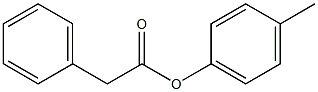
| 个人防护装备 | Eyeshields;Gloves;type N95 (US);type P1 (EN143) respirator filter |
|---|---|
| 危险品运输编码 | UN 2585 |
| WGK德国 | 2 |
| RTECS号 | CY1679750 |
| 海关编码 | 2916399090 |
|
p-Tolyl Phenylacetate
Revision number: 1
SAFETY DATA SHEET Section1. BASE INFORMATION Product name:p-Tolyl Phenylacetate Revision number:1 Section2. HAZARDS IDENTIFICATION Classification of the GHS PHYSICAL HAZARDSNot classified HEALTH HAZARDSNot classified Not classified ENVIRONMENTAL HAZARDS GHS label elements None Pictograms or hazard symbols Signal wordNo signal word None Hazard statement Precautionary statementsNone Section3. COMPOSITION/INFORMATION ON INGREDIENTS Substance/mixture:Substance Component(s):p-Tolyl Phenylacetate Percent:>99.0%(GC) CAS Number:101-94-0 Synonyms:p-Cresyl Phenylacetate , Phenylacetic Acid p-Tolyl Ester , Phenylacetic Acid p-Cresyl Ester Chemical Formula:C15H14O2 Section4. FIRST AID MEASURES Inhalation:Remove victim to fresh air and keep at rest in a position comfortable for breathing. Get medical advice/attention if you feel unwell. Skin contact:Remove/Take off immediately all contaminated clothing. Rinse skin with water/shower. If skin irritation or rash occurs: Get medical advice/attention. Eye contact:Rinse cautiously with water for several minutes. Remove contact lenses, if present and easy to do. Continue rinsing. If eye irritation persists: Get medical advice/attention. Ingestion:Get medical advice/attention if you feel unwell. Rinse mouth. Protection of first-aiders:A rescuer should wear personal protective equipment, such as rubber gloves and air- tight goggles. Section5. FIRE-FIGHTING MEASURES Suitable extinguishingDry chemical, foam, water spray, carbon dioxide. media: Specific methods:Fire-extinguishing work is done from the windward and the suitable fire-extinguishing method according to the surrounding situation is used. Uninvolved persons should evacuate to a safe place. In case of fire in the surroundings: Remove movable containers if safe to do so. p-Tolyl Phenylacetate Section5. FIRE-FIGHTING MEASURES Special protectiveWhen extinguishing fire, be sure to wear personal protective equipment. equipment for firefighters: Section6. ACCIDENTAL RELEASE MEASURES Personal precautions,Use personal protective equipment. Keep people away from and upwind of spill/leak. protective equipment and Entry to non-involved personnel should be controlled around the leakage area by emergency procedures: roping off, etc. Environmental precautions: Prevent product from entering drains. Methods and materials for Sweep dust to collect it into an airtight container, taking care not to disperse it. containment and cleaning Adhered or collected material should be promptly disposed of, in accordance with up: appropriate laws and regulations. Section7. HANDLING AND STORAGE Handling Handling is performed in a well ventilated place. Wear suitable protective equipment. Technical measures: Prevent dispersion of dust. Wash hands and face thoroughly after handling. Use a local exhaust if dust or aerosol will be generated. Advice on safe handling:Avoid contact with skin, eyes and clothing. Storage Storage conditions:Keep container tightly closed. Store in a cool and dark place. Store away from incompatible materials such as oxidizing agents. Packaging material:Law is followed. Section8. EXPOSURE CONTROLS / PERSONAL PROTECTION Engineering controls:Install a closed system or local exhaust as possible so that workers should not be exposed directly. Also install safety shower and eye bath. Personal protective equipment Respiratory protection: Dust respirator. Follow local and national regulations. Protective gloves. Hand protection: Eye protection:Safety glasses. A face-shield, if the situation requires. Skin and body protection: Protective clothing. Protective boots, if the situation requires. Section9. PHYSICAL AND CHEMICAL PROPERTIES Physical state (20°C):Solid Form:crystal - powder White - Almost white Color: Odor:No data available pH: No data available Melting point/freezing point:75 °C Boiling Point/Range:148 °C/0.2kPa Flash Point:No data available Explosive limits Lower:No data available No data available Upper: Density:No data available No data available Solubility: Section10. STABILITY AND REACTIVITY Stability:Stable under proper conditions. Reactivity:No special reactivity has been reported. Incompartible materials: oxidizing agents Hazardous Decomposition Carbon monoxide, Carbon dioxide Products: p-Tolyl Phenylacetate Section11. TOXICOLOGICAL INFORMATION Acute Toxicity:orl-rat LD50:>5 g/kg skn-rbt LD50:>5 g/kg Skin corrosion/irritation: No data available Serious eyeNo data available damage/irritation: Germ cell mutagenicity: No data available Carcinogenicity: No data available IARC = NTP =No data available No data available Reproductive toxicity: RTECS Number:CY1679750 Section12. ECOLOGICAL INFORMATION Ecotoxicity: Fish:No data available Crustacea:No data available No data available Algae: Persistence / degradability: No data available No data available Bioaccumulative potential(BCF): Mobillity in soil log Pow:No data available Soil adsorption (Koc):No data available Henry's LawNo data available constant(PaM3/mol): Section13. DISPOSAL CONSIDERATIONS Recycle to process, if possible. Consult your local regional authorities. You may be able to dissolve or mix material with a combustible solvent and burn in a chemical incinerator equipped with an afterburner and scrubber system. Observe all federal, state and local regulations when disposing of the substance. Section14. TRANSPORT INFORMATION Hazards Class:Does not correspond to the classification standard of the United Nations UN-No:Not Listed Section15. REGULATORY INFORMATION Safe management ordinance of dangerous chemical product (State Council announces on January 26, 2002): Safe use and production, the storage of a dangerous chemical, transport, loading and unloading were prescribed. SECTION 16 - ADDITIONAL INFORMATION N/A |
|
~77%
101-94-0 |
| 文献:Indian Journal of Chemistry - Section B Organic and Medicinal Chemistry, , vol. 44, # 9 p. 1950 - 1953 |
|
~%
101-94-0 |
| 文献:American Journal of Pharmacy and the Sciences Supporting Public Health (1937-1978), , vol. 101, p. 481,484 Collection of Czechoslovak Chemical Communications, , vol. 59, # 9 p. 2095 - 2102 |
|
~%
101-94-0 |
| 文献:Chemische Berichte, , vol. 57, p. 436 |
|
~%
101-94-0 |
| 文献:Yakugaku Zasshi, , vol. 74, p. 1073 Chem.Abstr., 1055 11593 |
|
~%
101-94-0 |
| 文献:Chemische Berichte, , vol. 57, p. 436 |
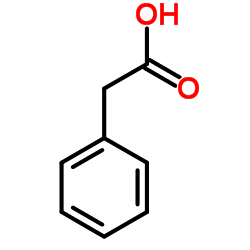
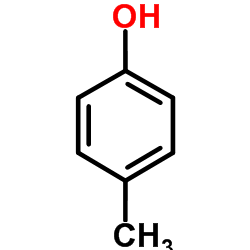
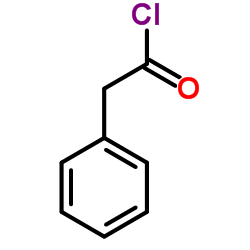
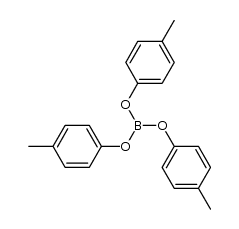
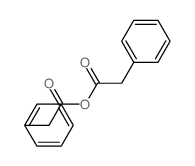
| 上游产品 5 | |
|---|---|
| 下游产品 7 | |






 浙公网安备 33010802013016号