
二乙氨基乙醇 ,N,N-Diethylethanolamine ,≥99.5%
产品编号:SIGMA-471321| CAS NO:100-37-8| 分子式:C6H15NO| 分子量:117.1894
本网站销售的所有产品仅用于工业应用或者科学研究等非医疗目的,不可用于人类或动物的临床诊断或者治疗,非药用,非食用,
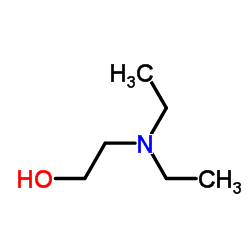
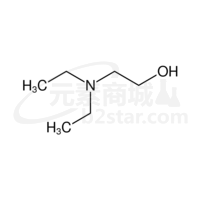
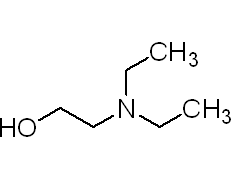
| 产品名称 | 二乙氨基乙醇 |
|---|---|
| 英文名称 | N,N-Diethylethanolamine |
| CAS编号 | 100-37-8 |
| 产品熔点 | -70 °C |
| 产品沸点 | 164.8±13.0 °C at 760 mmHg |
| 产品密度 | 0.9±0.1 g/cm3 |
| 产品闪点 | 48.9±0.0 °C |
| 精确质量 | 117.115364 |
| PSA | 23.47000 |
| LogP | 0.74 |
| 外观性状 | 透明至淡黄色液体 |
| 蒸气压 | 0.7±0.7 mmHg at 25°C |
| 折射率 | 1.443 |
| 溶解性 | soluble |
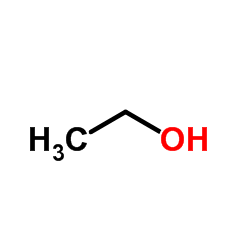
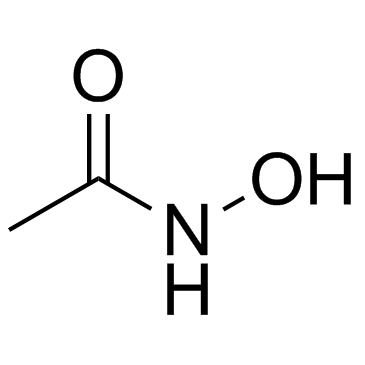
| 稳定性 | 1.化学性质:具有叔胺和醇的化学反应性。用过氧化氢、高锰酸钾等氧化时,生成乙醇、乙酸、乙酰氧肟酸、氨、乙二醛和草酸等。用四乙酸铅氧化时,生成二乙胺与乙二醇醛。用硫代硫酸钾室温氧化生成乙醛。并可形成盐酸盐C6H15NO·HCl(熔点135~136℃),苦味酸盐[C6H15NO·C6H3N3O7(熔点79℃)]。 2.稳定性 稳定 3.禁配物 强氧化剂、强酸 4.聚合危害 不聚合 |
| 储存条件 | 储存注意事项储存于阴凉、通风的库房。库温不宜超过37℃。远离火种、热源。保持容器密封。应与氧化剂、酸类、食用化学品分开存放,切忌混储。采用防爆型照明、通风设施。禁止使用易产生火花的机械设备和工具。储区应备有泄漏应急处理设备和合适的收容材料。 |
相关文档
化学品安全说明书(MSDS)
下载MSDS质检证书(COA)
相关产品
| 符号 |
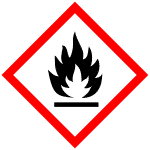
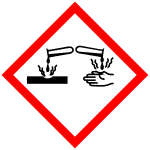
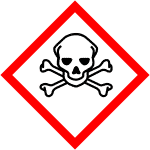
GHS02, GHS05, GHS06 |
|---|---|
| 信号词 | Danger |
| 危害声明 | H226-H302-H311 + H331-H314 |
| 警示性声明 | P210-P280-P303 + P361 + P353-P304 + P340 + P310-P305 + P351 + P338-P370 + P378 |
| 个人防护装备 | Faceshields;full-face respirator (US);Gloves;Goggles;multi-purpose combination respirator cartridge (US);type ABEK (EN14387) respirator filter |
| 危害码 (欧洲) | C:Corrosive |
| 风险声明 (欧洲) | R10;R20/21/22;R34 |
| 安全声明 (欧洲) | S25-S26-S36/37/39-S45 |
| 危险品运输编码 | UN 2686 8/PG 2 |
| WGK德国 | 1 |
| RTECS号 | KK5075000 |
| 包装等级 | II |
| 危险类别 | 8 |
| 海关编码 | 2922192210 |
Synonym:2-Diethylaminoethanol, Beta-Diethylaminoethano Section 2 - COMPOSITION, INFORMATION ON INGREDIENTS
Risk Phrases: 10 36/37/38 Section 3 - HAZARDS IDENTIFICATION EMERGENCY OVERVIEW
Flammable. Irritating to eyes, respiratory system and skin.Hygroscopic. Potential Health Effects Eye: May cause eye irritation. May cause eye injury. Skin: May cause severe skin irritation. May be harmful if absorbed through the skin. Ingestion: May cause irritation of the digestive tract. May be harmful if swallowed. Inhalation: Vapors may cause dizziness or suffocation. May cause nausea and possible vomiting. Chronic: None Section 4 - FIRST AID MEASURES Eyes: Flush eyes with plenty of water for at least 15 minutes, occasionally lifting the upper and lower eyelids. Get medical aid immediately. Skin: Get medical aid immediately. Flush skin with plenty of soap and water for at least 15 minutes while removing contaminated clothing and shoes. Wash clothing before reuse. Ingestion: If victim is conscious and alert, give 2-4 cupfuls of milk or water. Never give anything by mouth to an unconscious person. Get medical aid immediately. Inhalation: Get medical aid immediately. Remove from exposure to fresh air immediately. If not breathing, give artificial respiration. If breathing is difficult, give oxygen. Notes to Physician: Antidote: None reported. Section 5 - FIRE FIGHTING MEASURES General Information: As in any fire, wear a self-contained breathing apparatus in pressure-demand, MSHA/NIOSH (approved or equivalent), and full protective gear. Vapors may form an explosive mixture with air. Vapors can travel to a source of ignition and flash back. Use water spray to keep fire-exposed containers cool. Containers may explode in the heat of a fire. Flammable liquid and vapor. Vapors may be heavier than air. They can spread along the ground and collect in low or confined areas. Extinguishing Media: For small fires, use dry chemical, carbon dioxide, water spray or alcohol-resistant foam. Do NOT get water inside containers. For large fires, use water spray, fog or alcohol-resistant foam. Cool containers with flooding quantities of water until well after fire is out. Section 6 - ACCIDENTAL RELEASE MEASURES General Information: Use proper personal protective equipment as indicated in Section 8. Spills/Leaks: Absorb spill with inert material (e.g. vermiculite, sand or earth), then place in suitable container. Avoid runoff into storm sewers and ditches which lead to waterways. Use water spray to disperse the gas/vapor. Remove all sources of ignition. Use a spark-proof tool. Provide ventilation. Section 7 - HANDLING and STORAGE Handling: Wash thoroughly after handling. Use only in a well-ventilated area. Avoid contact with eyes, skin, and clothing. Empty containers retain product residue, (liquid and/or vapor), and can be dangerous. Keep container tightly closed. Avoid contact with heat, sparks and flame. Avoid ingestion and inhalation. Do not pressurize, cut, weld, braze, solder, drill, grind, or expose empty containers to heat, sparks or open flames. Storage: Keep away from heat, sparks, and flame. Store in a tightly closed container. Store in a cool, dry, well-ventilated area away from incompatible substances. Flammables-area. Store protected from moisture. Section 8 - EXPOSURE CONTROLS, PERSONAL PROTECTION Engineering Controls: Use adequate ventilation to keep airborne concentrations low. Personal Protective Equipment Eyes: Wear appropriate protective eyeglasses or chemical safety goggles as described by OSHA's eye and face protection regulations in 29 CFR 1910.133 or European Standard EN166. Skin: Wear appropriate protective gloves to prevent skin exposure. Clothing: Wear appropriate protective clothing to prevent skin exposure. Respirators: Follow the OSHA respirator regulations found in 29CFR 1910.134 or European Standard EN 149. Always use a NIOSH or European Standard EN 149 approved respirator when necessary. Section 9 - PHYSICAL AND CHEMICAL PROPERTIES Physical State: Liquid Appearance: clear yellow brown Odor: unpleasant odor pH: Not available. Vapor Pressure: 1.9 mbar @ 20 C Viscosity: 5mPa @ 20C Boiling Point: 161 deg C @ 760.00mm Hg Freezing/Melting Point: -70 deg C Autoignition Temperature: 260 deg C ( 500.00 deg F) Flash Point: 60 deg C ( 140.00 deg F) Explosion Limits, lower: 6.70 vol % Explosion Limits, upper: 11.7 vol % Decomposition Temperature: Solubility in water: soluble Specific Gravity/Density: .8840g/cm3 Molecular Formula: C6H15NO Molecular Weight: 117.19 Section 10 - STABILITY AND REACTIVITY Chemical Stability: Stable under normal temperatures and pressures. Conditions to Avoid: Incompatible materials, ignition sources, excess heat, strong oxidants, exposure to moist air or water. Incompatibilities with Other Materials: Moisture. Hazardous Decomposition Products: Nitrogen oxides, carbon monoxide, irritating and toxic fumes and gases, carbon dioxide, nitrogen. Hazardous Polymerization: Has not been reported. Section 11 - TOXICOLOGICAL INFORMATION RTECS#: CAS# 100-37-8: KK5075000 LD50/LC50: CAS# 100-37-8: Dermal, guinea pig: LD50 = 1 mL/kg; Draize test, rabbit, eye: 5 mg Severe; Inhalation, mouse: LC50 = 5000 mg/m3; Oral, rat: LD50 = 1300 mg/kg; Skin, rabbit: LD50 = 1260 uL/kg. Carcinogenicity: N,N-Diethylethanolamine - Not listed by ACGIH, IARC, NIOSH, NTP, or OSHA. See actual entry in RTECS for complete information. Section 12 - ECOLOGICAL INFORMATION Ecotoxicity: Fish: Fathead Minnow: 1780 mg/L; 96 Hr.; Flow-through Section 13 - DISPOSAL CONSIDERATIONS Dispose of in a manner consistent with federal, state, and local regulations. Section 14 - TRANSPORT INFORMATION IATA Shipping Name: 2-DIETHYLAMINOETHANOL Hazard Class: 8 UN Number: 2686 Packing Group: II IMO Shipping Name: DIETHYLAMINOETHANOL Hazard Class: 3.3 UN Number: 2686 Packing Group: III RID/ADR Shipping Name: DIETHYLAMINOETHANOL Dangerous Goods Code: 3(31C) UN Number: 2686 Section 15 - REGULATORY INFORMATION European/International Regulations European Labeling in Accordance with EC Directives Hazard Symbols: XI Risk Phrases: R 10 Flammable. R 36/37/38 Irritating to eyes, respiratory system and skin. Safety Phrases: S 28A After contact with skin, wash immediately with plenty of water. WGK (Water Danger/Protection) CAS# 100-37-8: 1 United Kingdom Occupational Exposure Limits CAS# 100-37-8: OES-United Kingdom, TWA 10 ppm TWA; 49 mg/m3 TWA Canada CAS# 100-37-8 is listed on Canada's DSL List. CAS# 100-37-8 is listed on Canada's Ingredient Disclosure List. Exposure Limits CAS# 100-37-8: OEL-AUSTRALIA:TWA 10 ppm (50 mg/m3);Skin OEL-AUSTRIA:TWA 10 ppm (50 mg/m3);Skin OEL-BELGIUM:TWA 10 ppm (48 mg/m3);Skin OEL-DENMARK:TWA 10 ppm (50 mg/m3);Skin OEL-FINLAND:STEL 10 ppm (50 mg/m3);Skin OEL-FRANCE:TWA 10 ppm (50 mg/m3);Skin OEL-GERMANY:TWA 10 ppm (50 mg/m3);Skin OEL-THE NETHERLANDS:TWA 10 ppm (50 mg/m3);Skin OEL-THE PHILIPPINES:TWA 10 ppm (50 mg/m3);Skin OEL-RUSSIA:STEL 5 mg/m3;Skin OEL-SWITZERLAND:TWA 10 ppm (50 mg/m3);Skin OEL-UNITED KINGDOM:TWA 10 ppm (50 mg/m3);Skin OEL IN BULGARIA, COLOMBIA, JORDAN, KOREA check ACGIH TLV OEL IN NEW ZEALAND, SINGAPORE, VIETNAM check ACGI TLV US FEDERAL TSCA CAS# 100-37-8 is listed on the TSCA inventory. SECTION 16 - ADDITIONAL INFORMATION N/A |
| 上游产品 10 | |
|---|---|
| 下游产品 9 | |

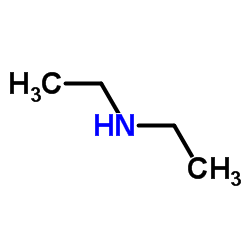
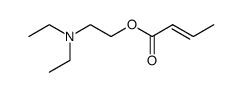

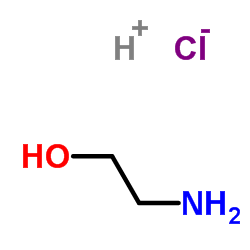
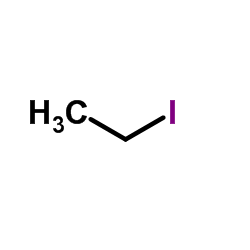
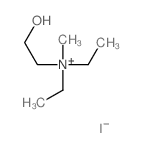
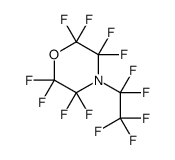
![2-(diethylamino)ethyl N-[2-(2-methoxyethoxy)phenyl]carbamate结构式](/20230522/108978-03-6.png)





 浙公网安备 33010802013016号