
尿素盐酸盐, 98%,Urea Hydrochloride
产品编号:西域试剂-WR134202| CAS NO:506-89-8| 分子式:CH5ClN2O| 分子量:96.52
本网站销售的所有产品仅用于工业应用或者科学研究等非医疗目的,不可用于人类或动物的临床诊断或者治疗,非药用,非食用,
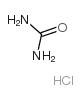
| 英文名称 | Urea Hydrochloride |
|---|---|
| CAS编号 | 506-89-8 |
| 产品熔点 | 132-135ºC(lit.) |
| 产品沸点 | 196.6ºC at 760 mmHg |
| 产品密度 | 1.335 g/mL at 25ºC(lit.) |
| 产品闪点 | 72.7ºC |
| 精确质量 | 96.00900 |
| PSA | 69.11000 |
| LogP | 1.22640 |
| 外观性状 | 粉末 |
| 折射率 | n20/D 1.40 |
| 溶解性 | H2O: 8 M at 20 °C |
| 储存条件 | 2-8°C |
相关文档
化学品安全说明书(MSDS)
下载MSDS质检证书(COA)
相关产品

| 危害码 (欧洲) | Xn: Harmful; |
|---|---|
| 风险声明 (欧洲) | R36/37/38 |
| 安全声明 (欧洲) | 26-36 |
| WGK德国 | 1 |
| RTECS号 | YR6250000 |
| 海关编码 | 3102100001 |
|
Section 1. Chemical Product and Company Identification Urea Hydrochloride Common Name/ Trade Name Manufacturer Commercial Name(s) Synonym
Chemical Name Chemical Family Urea Hydrochloride Section 4. First Aid Measures Eye ContactCheck for and remove any contact lenses. In case of contact, immediately flush eyes with plenty of water for at least 15 minutes. Cold water may be used. Get medical attention. Skin ContactIn case of contact, immediately flush skin with plenty of water. Cover the irritated skin with an emollient. Remove contaminated clothing and shoes. Cold water may be used.Wash clothing before reuse. Thoroughly clean shoes before reuse. Get medical attention. Serious Skin ContactWash with a disinfectant soap and cover the contaminated skin with an anti-bacterial cream. Seek medical attention. InhalationIf inhaled, remove to fresh air. If not breathing, give artificial respiration. If breathing is difficult, give oxygen. Get medical attention. Serious InhalationNot available. IngestionDo NOT induce vomiting unless directed to do so by medical personnel. Never give anything by mouth to an unconscious person. If large quantities of this material are swallowed, call a physician immediately. Loosen tight clothing such as a collar, tie, belt or waistband. Serious IngestionNot available. Section 5. Fire and Explosion Data Flammability of the Product May be combustible at high temperature. Auto-Ignition Temperature Not available. Flash PointsNot available. Flammable LimitsNot available. Products of CombustionThese products are carbon oxides (CO, CO2), nitrogen oxides (NO, NO2...). Fire Hazards in Presence of Slightly flammable to flammable in presence of heat. Various SubstancesNon-flammable in presence of shocks. Explosion Hazards in Presence Slightly explosive in presence of open flames and sparks. of Various SubstancesNon-explosive in presence of shocks. Fire Fighting MediaSMALL FIRE: Use DRY chemical powder. and InstructionsLARGE FIRE: Use water spray, fog or foam. Do not use water jet. Special Remarks onWhen heated to decomposition it emits toxic and irritating fumes of Hydrogen chloride, carbon monoxide, carbon Fire Hazardsdioxide, nitrogen oxides, and ammonia. As with most organic solids, fire is possible at elevated temperatures. Special Remarks on Explosion Fine dust dispersed in air in sufficient concentrations, and in the presences of an ignition source is a potential dust Hazardsexplosion hazard. Section 6. Accidental Release Measures Small SpillUse appropriate tools to put the spilled solid in a convenient waste disposal container. Finish cleaning by spreading water on the contaminated surface and dispose of according to local and regional authority requirements. Large SpillUse a shovel to put the material into a convenient waste disposal container. Finish cleaning by spreading water on the contaminated surface and allow to evacuate through the sanitary system. Urea Hydrochloride Section 7. Handling and Storage PrecautionsKeep away from heat. Keep away from sources of ignition. Empty containers pose a fire risk, evaporate the residue under a fume hood. Ground all equipment containing material. Do not breathe dust. Wear suitable protective clothing. In case of insufficient ventilation, wear suitable respiratory equipment. If you feel unwell, seek medical attention and show the label when possible. Avoid contact with skin and eyes. Keep away from incompatibles such as oxidizing agents, alkalis. StorageKeep container tightly closed. Keep container in a cool, well-ventilated area. Section 8. Exposure Controls/Personal Protection Engineering ControlsUse process enclosures, local exhaust ventilation, or other engineering controls to keep airborne levels below recommended exposure limits. If user operations generate dust, fume or mist, use ventilation to keep exposure to airborne contaminants below the exposure limit. Personal ProtectionSplash goggles. Lab coat. Dust respirator. Be sure to use an approved/certified respirator or equivalent. Gloves. Personal Protection in Case of Splash goggles. Full suit. Dust respirator. Boots. Gloves. A self contained breathing apparatus should be used a Large Spillto avoid inhalation of the product. Suggested protective clothing might not be sufficient; consult a specialist BEFORE handling this product. Exposure LimitsNot available. Section 9. Physical and Chemical Properties Physical state and appearance Solid. (Powdered solid.)OdorOdorless. Not available. Taste Molecular Weight96.52 g/mole Yellowish. White. Color Not available. pH (1% soln/water) Boiling PointNot available. Decomposition temperature: >185°C (365°F) Melting Point Critical TemperatureNot available. Specific GravityNot available. Vapor PressureNot applicable. Vapor DensityNot available. Not available. Volatility Odor ThresholdNot available. Water/Oil Dist. Coeff.Not available. Ionicity (in Water)Not available. Dispersion PropertiesSee solubility in water. SolubilityEasily soluble in cold water, hot water. Section 10. Stability and Reactivity Data StabilityThe product is stable. Instability TemperatureNot available. Conditions of InstabilityExcess heat, dust generation, incompatible materials, moisture Incompatibility with various Reactive with oxidizing agents, alkalis. substances Urea Hydrochloride CorrosivityNot available. Special Remarks onIncompatible with strong alkali, hypochlorites (chlorine bleach), oxidizers. ReactivityHeating above 230 F/110 C results in exothermic decomoposition with rapid release of carbon dioxide gas. Hygroscopic; keep container tightly closed. Not available. Special Remarks on Corrosivity PolymerizationWill not occur. Section 11. Toxicological Information Routes of EntryInhalation. Ingestion. Toxicity to AnimalsLD50: Not available. LC50: Not available. Chronic Effects on Humans Not available. Other Toxic Effects on Hazardous in case of skin contact (irritant), of ingestion, of inhalation (lung irritant). Humans Special Remarks onNot available. Toxicity to Animals Special Remarks on May cause adverse reproductive effects based on animal test data Chronic Effects on Humans Special Remarks on otherAcute Potential Health Effects: Toxic Effects on HumansSkin: Causes skin irritation. Eyes: Causes eye irritation and severe damage. Inhalation: Causes severe irritation to the respiratory tract with sore throat, coughing, shortness of beath, and delayed lung edema. Ingestion: May be harmful if swallowed. Causes gastrointestinal tract irritation with nausea, vomiting and diarrhea. Section 12. Ecological Information Not available. Ecotoxicity BOD5 and CODNot available. Products of BiodegradationPossibly hazardous short term degradation products are not likely. However, long term degradation products may arise. Toxicity of the ProductsThe product itself and its products of degradation are not toxic. of Biodegradation Special Remarks on theNot available. Products of Biodegradation Section 13. Disposal Considerations Waste DisposalWaste must be disposed of in accordance with federal, state and local environmental control regulations. Urea Hydrochloride Section 14. Transport Information DOT ClassificationNot a DOT controlled material (United States). IdentificationNot applicable. Not applicable. Special Provisions for Transport DOT (Pictograms) Section 15. Other Regulatory Information and Pictograms TSCA 8(b) inventory: Urea Hydrochloride Federal and State Regulations California Proposition 65 Warnings Other RegulationsEINECS: This product is on the European Inventory of Existing Commercial Chemical Substances. WHMIS (Canada) Not controlled under WHMIS (Canada). Other Classifications DSCL (EEC)R36/37/38- Irritating to eyes,S2- Keep out of the reach of children. respiratory system and skin.S46- If swallowed, seek medical advice immediately and show this container or label. Health Hazard HMIS (U.S.A.)2 National Fire Protection 0 Flammability 1 Association (U.S.A.) Fire Hazard 3 1 Reactivity Health Reactivity 0 Specific hazard Personal Protection E WHMIS (Canada) (Pictograms) DSCL (Europe) (Pictograms) TDG (Canada) (Pictograms) ADR (Europe) (Pictograms) Protective Equipment Urea Hydrochloride Gloves. Lab coat. Dust respirator. Be sure to use an approved/certified respirator or equivalent. SECTION 16 - ADDITIONAL INFORMATION N/A |





 浙公网安备 33010802013016号