
硝酸铋, 99.99% metals basis,Bismuth nitrate
产品编号:西域试剂-WR134364| CAS NO:10361-44-1| 分子式:BiN3O9| 分子量:395
本网站销售的所有产品仅用于工业应用或者科学研究等非医疗目的,不可用于人类或动物的临床诊断或者治疗,非药用,非食用,
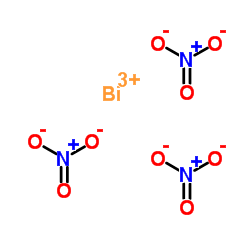
| 英文名称 | Bismuth nitrate |
|---|---|
| CAS编号 | 10361-44-1 |
| 产品熔点 | 30ºC |
| 产品沸点 | 83ºC |
| 产品密度 | 2.83 g/cm3 |
| 精确质量 | 394.943848 |
| PSA | 206.64000 |
| LogP | 0.85230 |
| 外观性状 | 透明,无色晶体 |
| 稳定性 | 1.稳定性 稳定 2.禁配物 还原剂、易燃或可燃物、活性金属粉末、硫、磷 3.避免接触的条件 潮湿空气 4.聚合危害 不聚合 5.分解产物 氮氧化物 |
| 储存条件 | 储存注意事项 储存于阴凉、通风的库房。远离火种、热源。库温不超过30℃,相对湿度不超过80%。包装密封。应与易(可)燃物、还原剂等分开存放,切忌混储。储区应备有合适的材料收容泄漏物。 |
相关文档
化学品安全说明书(MSDS)
下载MSDS质检证书(COA)
相关产品
| 危险品运输编码 | UN 1477 |
|---|---|
| 包装等级 | II |
| 危险类别 | 5.1 |
| 海关编码 | 2834299090 |
Synonym:Nitric acid, bismuth (+3) salt Section 2 - COMPOSITION, INFORMATION ON INGREDIENTS
Risk Phrases: 36/38 8 Section 3 - HAZARDS IDENTIFICATION EMERGENCY OVERVIEW
Irritating to eyes and skin. Contact with combustible material may cause fire.Corrosive.Hygroscopic. Potential Health Effects Eye: Contact with eyes may cause severe irritation, and possible eye burns. Skin: May cause skin sensitization, an allergic reaction, which becomes evident upon re-exposure to this material. May cause severe irritation and possible burns. Ingestion: May cause severe gastrointestinal tract irritation with nausea, vomiting and possible burns. Inhalation: May cause irritation of the respiratory tract with burning pain in the nose and throat, coughing, wheezing, shortness of breath and pulmonary edema. Chronic: May cause reproductive and fetal effects. Section 4 - FIRST AID MEASURES Eyes: Immediately flush eyes with plenty of water for at least 15 minutes, occasionally lifting the upper and lower lids. Get medical aid immediately. Skin: Get medical aid. Immediately flush skin with plenty of soap and water for at least 15 minutes while removing contaminated clothing and shoes. Ingestion: Do NOT induce vomiting. If victim is conscious and alert, give 2-4 cupfuls of milk or water. Never give anything by mouth to an unconscious person. Get medical aid immediately. Inhalation: Get medical aid immediately. Remove from exposure to fresh air immediately. If not breathing, give artificial respiration. If breathing is difficult, give oxygen. Notes to Physician: Treat symptomatically and supportively. Section 5 - FIRE FIGHTING MEASURES General Information: As in any fire, wear a self-contained breathing apparatus in pressure-demand, MSHA/NIOSH (approved or equivalent), and full protective gear. During a fire, irritating and highly toxic gases may be generated by thermal decomposition or combustion. Extinguishing Media: Use agent most appropriate to extinguish fire. Autoignition Temperature: Not applicable. Flash Point: Not applicable. NFPA Rating: Not published. Explosion Limits, Lower: Not available. Upper: Not available. Section 6 - ACCIDENTAL RELEASE MEASURES General Information: Use proper personal protective equipment as indicated in Section 8. Spills/Leaks: Vacuum or sweep up material and place into a suitable disposal container. Clean up spills immediately, observing precautions in the Protective Equipment section. Section 7 - HANDLING and STORAGE Handling: Wash thoroughly after handling. Wash hands before eating. Remove contaminated clothing and wash before reuse. Use only in a well ventilated area. Avoid contact with eyes, skin, and clothing. Avoid ingestion and inhalation. Storage: Store in a cool, dry place. Keep container closed when not in use. Section 8 - EXPOSURE CONTROLS, PERSONAL PROTECTION Engineering Controls: Use process enclosure, local exhaust ventilation, or other engineering controls to control airborne levels. Personal Protective Equipment Eyes: Wear appropriate protective eyeglasses or chemical safety goggles as described by OSHA's eye and face protection regulations in 29 CFR 1910.133. Skin: Wear appropriate protective gloves to prevent skin exposure. Clothing: Wear appropriate protective clothing to prevent skin exposure. Respirators: Follow the OSHA respirator regulations found in 29CFR 1910.134. Always use a NIOSH-approved respirator when necessary. Section 9 - PHYSICAL AND CHEMICAL PROPERTIES Physical State: Solid Appearance: white Odor: Pungent odor. pH: Not available. Vapor Pressure: Not available. Vapor Density: Not available. Evaporation Rate: Not available. Viscosity: Not available. Boiling Point: Not available. Freezing/Melting Point: 30 deg C (decomposes) Decomposition Temperature: Not available. Solubility: Decomposed by water. Specific Gravity/Density: 2.83 Molecular Formula: BiN3O9 Molecular Weight: 394.9987 Section 10 - STABILITY AND REACTIVITY Chemical Stability: Stable under normal temperatures and pressures. Conditions to Avoid: Incompatible materials, contact with water, combustible materials, heating to decomposition. Incompatibilities with Other Materials: Heat, cumbustible materials, and water. Hazardous Decomposition Products: Oxides of nitrogen, irritating and toxic fumes and gases, bismuth oxide. Hazardous Polymerization: Has not been reported. Section 11 - TOXICOLOGICAL INFORMATION RTECS#: CAS# 10361-44-1: EB2984400 LD50/LC50: Not available. Carcinogenicity: Bismuth nitrate - Not listed by ACGIH, IARC, NIOSH, NTP, or OSHA. See actual entry in RTECS for complete information. Section 12 - ECOLOGICAL INFORMATION For further information, contact Fisher Scientific. Section 13 - DISPOSAL CONSIDERATIONS Dispose of in a manner consistent with federal, state, and local regulations. Section 14 - TRANSPORT INFORMATION CDG/CPL Shipping Name: NITRATES, INORGANIC, NOS Hazard Class: 5.1 UN Number: 1477 Packing Group: II IMO No information available. IATA No information available. RID/ADR No information available. Canadian TDG No information available. Section 15 - REGULATORY INFORMATION European/International Regulations European Labeling in Accordance with EC Directives Hazard Symbols: XI O Risk Phrases: R 36/38 Irritating to eyes and skin. R 8 Contact with combustible material may cause fire. Safety Phrases: S 26 In case of contact with eyes, rinse immediately with plenty of water and seek medical advice. S 28 After contact with skin, wash immediately with plenty of ... (to be specified by the manufacturer). WGK (Water Danger/Protection) CAS# 10361-44-1: Canada CAS# 10361-44-1 is listed on Canada's DSL/NDSL List. WHMIS: Not available. CAS# 10361-44-1 is not listed on Canada's Ingredient Disclosure List. Exposure Limits US FEDERAL TSCA CAS# 10361-44-1 is listed on the TSCA inventory. SECTION 16 - ADDITIONAL INFORMATION N/A |





 浙公网安备 33010802013016号