
2,4-二氯三氯甲苯, 99.9%,2,4-Dichlorobenzotrichloride
产品编号:西域试剂-WR179438| CAS NO:13014-18-1| MDL NO:MFCD00018818| 分子式:C7H3Cl5| 分子量:264.35
本网站销售的所有产品仅用于工业应用或者科学研究等非医疗目的,不可用于人类或动物的临床诊断或者治疗,非药用,非食用,
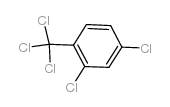
| 英文名称 | 2,4-Dichlorobenzotrichloride |
|---|---|
| CAS编号 | 13014-18-1 |
| 产品熔点 | 49°C |
| 产品沸点 | 288°C |
| 产品密度 | 1.605 g/cm1.605 g/cm3 |
| 产品闪点 | > 112ºC |
| 精确质量 | 261.86800 |
| LogP | 4.82010 |
| 外观性状 | 透明液体 |
| 蒸气压 | 0.00256mmHg at 25°C |
| 折射率 | 1.583 |
相关文档
化学品安全说明书(MSDS)
下载MSDS质检证书(COA)
相关产品
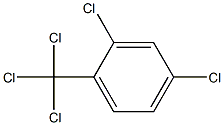
| 风险声明 (欧洲) | R34 |
|---|---|
| 安全声明 (欧洲) | S26-S36/37/39 |
| 危险品运输编码 | 3261 |
| RTECS号 | CZ5475020 |
| 海关编码 | 2903999090 |
|
Section I.Chemical Product and Company Identification Chemical Name 2,4-Dichlorobenzotrichloride Portland OR SynonymBenzene, 2,4-Dichloro-1-(trichloromethyl)- ( 9 CI) Chemical FormulaCCl3C6H3Cl2 CAS Number13014-18-1 Section II.Composition and Information on Ingredients Chemical NameCAS Number Percent (%)TLV/PELToxicology Data 2,4-Dichlorobenzotrichloride13014-18-1Min. 99.0 Not available.Rat LD50 (oral) 3160mg/kg Rabbit LD (dermal) >10gm/kg (GC) Section III. Hazards Identification Acute Health EffectsCorrosive to skin, eyes, and respiratory system. Liquid or spray mist may produce tissue damage, particularly in mucous membranes of the eyes, mouth and respiratory tract. Skin contact may produce burns. Eye contact can result in corneal damage or blindness. Inhalation of the spray mist may produce severe irritation of respiratory tract, characterized by coughing, choking, or shortness of breath. Corrosive materials may cause serious injury if ingested. Follow safe industrial hygiene practices and always wear proper protective equipment when handling this compound. Chronic Health EffectsCARCINOGENIC EFFECTS : Not available. MUTAGENIC EFFECTS : Not available. TERATOGENIC EFFECTS : Not available. DEVELOPMENTAL TOXICITY: Not available. Repeated exposure of the eyes to a low level of dust can produce eye irritation. Repeated skin exposure can produce local skin destruction, or dermatitis. Repeated inhalation of dust can produce varying degree of respiratory irritation or lung damage. Section IV.First Aid Measures Eye ContactCheck for and remove any contact lenses. In case of contact, immediately flush eyes with plenty of water for at least 15 minutes. Get medical attention. Skin ContactIn case of contact, immediately flush skin with plenty of water. Remove contaminated clothing and shoes. Wash clothing before reuse. Thoroughly clean shoes before reuse. Get medical attention. InhalationIf the victim is not breathing, perform mouth-to-mouth resuscitation. Loosen tight clothing such as a collar, tie, belt or waistband. If breathing is difficult, oxygen can be administered. Seek medical attention if respiration problems do not improve. IngestionDO NOT INDUCE VOMITING. Loosen tight clothing such as a collar, tie, belt or waistband. If the victim is not breathing, perform mouth-to-mouth resuscitation. Examine the lips and mouth to ascertain whether the tissues are damaged, a possible indication that the toxic material was ingested; the absence of such signs, however, is not conclusive. Section V.Fire and Explosion Data Auto-IgnitionNot available. FlammabilityMay be combustible at high temperature. Flash PointsFlammable LimitsNot available. Not available. Combustion ProductsThese products are toxic carbon oxides (CO, CO 2), halogenated compounds. WARNING: Highly toxic HCl gas is produced during combustion. Fire Hazards Not available. Explosion HazardsRisks of explosion of the product in presence of mechanical impact: Not available. Risks of explosion of the product in presence of static discharge: Not available. Fire Fighting Media SMALL FIRE: Use DRY chemical powder. and InstructionsLARGE FIRE: Use water spray, fog or foam. DO NOT use water jet. Consult with local fire authorities before attempting large scale fire-fighting operations. Continued on Next Page 2,4-Dichlorobenzotrichloride Section VI.Accidental Release Measures Spill CleanupCorrosive solid. InstructionsStop leak if without risk. DO NOT get water inside container. DO NOT touch spilled material. Use water spray to reduce vapors. Prevent entry into sewers, basements or confined areas; dike if needed. Eliminate all sources of ignition. Consult federal, state, and/or local authorities for assistance on disposal. Section VII. Handling and Storage Handling and StorageCORROSIVE. Keep container dry. Keep away from heat. Mechanical exhaust required. When not in use, tightly seal the container and store in a dry, cool place. Avoid excessive heat and light. Do not breathe dust. Never add water to this Information product. Wear suitable protective clothing. If you feel unwell, seek medical attention and show the label when possible. Treat symptomatically and supportively. Always store away from incompatible compounds such as oxidizing agents. Section VIII. Exposure Controls/Personal Protection Engineering ControlsUse process enclosures, local exhaust ventilation, or other engineering controls to keep airborne levels below recommended exposure limits. If user operations generate dust, fume or mist, use ventilation to keep exposure to airborne contaminants below the exposure limit. Personal ProtectionFace shield. Lab coat. Dust respirator. Boots. Gloves. A MSHA/NIOSH approved respirator must be used to avoid inhalation of the product. Suggested protective clothing might not be sufficient; consult a specialist BEFORE handling this product. Exposure LimitsNot available. Section IX. Physical and Chemical Properties Physical state @ 20°CSolid.Solubility Not available. Not available. Specific Gravity Molecular Weight264.36Partition Coefficient Not available. Boiling PointNot available.Vapor PressureNot applicable. Melting Point49°C (120.2°F)Vapor DensityNot available. Not available.Not available. Refractive IndexVolatility Critical TemperatureNot available.OdorNot available. ViscosityNot available.TasteNot available. Section X.Stability and Reactivity Data Stability This material is stable if stored under proper conditions. (See Section VII for instructions) Conditions of Instability Avoid excessive heat and light. Incompatibilities Reactive with oxidizing agents. Section XI. Toxicological Information RTECS NumberCZ5475020 Routes of ExposureEye Contact. Ingestion. inhalation. Skin contact. Rat LD50 (oral) 3160mg/kg Toxicity Data Rabbit LD (dermal) >10gm/kg Chronic Toxic EffectsCARCINOGENIC EFFECTS : Not available. MUTAGENIC EFFECTS : Not available. TERATOGENIC EFFECTS : Not available. DEVELOPMENTAL TOXICITY: Not available. Repeated exposure of the eyes to a low level of dust can produce eye irritation. Repeated skin exposure can produce local skin destruction, or dermatitis. Repeated inhalation of dust can produce varying degree of respiratory irritation or lung damage. Acute Toxic EffectsCorrosive to skin, eyes, and respiratory system. Liquid or spray mist may produce tissue damage, particularly in mucous membranes of the eyes, mouth and respiratory tract. Skin contact may produce burns. Eye contact can result in corneal damage or blindness. Inhalation of the spray mist may produce severe irritation of respiratory tract, characterized by coughing, choking, or shortness of breath. Corrosive materials may cause serious injury if ingested. Follow safe industrial hygiene practices and always wear proper protective equipment when handling this compound. Continued on Next Page 2,4-Dichlorobenzotrichloride Section XII.Ecological Information EcotoxicityNot available. Environmental FateNot available. Section XIII. Disposal Considerations Recycle to process, if possible. Consult your local regional authorities. You may be able to dissolve or mix material with a Waste Disposal combustible solvent and burn in a chemical incinerator equipped with an afterburner and scrubber system. Observe all federal, state and local regulations when disposing of the substance. Section XIV. Transport Information DOT ClassificationClass 8: Corrosive material PIN Number Proper Shipping Name Corrosive solid, n.o.s. Packing Group (PG)III DOT Pictograms Section XV. Other Regulatory Information and Pictograms TSCA Chemical InventoryThis compound is ON the EPA Toxic Substances Control Act (TSCA) inventory list. (EPA) WHMIS Classification CLASS E: Corrosive solid. On NDSL. (Canada) EINECS Number (EEC) 235-868-1 EEC Risk Statements R36/37/38- Irritating to eyes, respiratory system and skin. SECTION 16 - ADDITIONAL INFORMATION N/A |
|
~%
13014-18-1 |
| 文献:DE234290 ; Fortschr. Teerfarbenfabr. Verw. Industriezweige, vol. 10, p. 116 |
|
~%
13014-18-1 |
| 文献:US2132361 , ; FR798727 , ; |
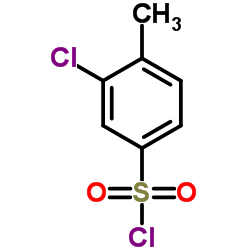
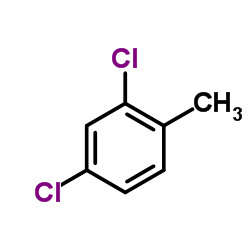
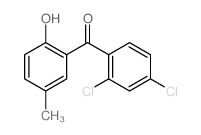
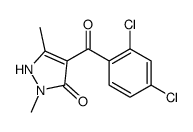
| 上游产品 2 | |
|---|---|
| 下游产品 6 | |





 浙公网安备 33010802013016号