
1,2,3-三甲基咪唑甲基硫酸甲酯, 99%,1,2,3-Trimethylimidazolium methyl sulfate
产品编号:西域试剂-WR188071| CAS NO:65086-12-6| MDL NO:MFCD03788934| 分子式:C7H14N2O4S| 分子量:222.26
本网站销售的所有产品仅用于工业应用或者科学研究等非医疗目的,不可用于人类或动物的临床诊断或者治疗,非药用,非食用,
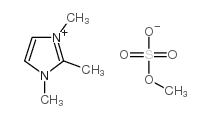
| 英文名称 | 1,2,3-Trimethylimidazolium methyl sulfate |
|---|---|
| CAS编号 | 65086-12-6 |
| 产品熔点 | 115℃ |
| 产品闪点 | 197ºC |
| 精确质量 | 222.06700 |
| PSA | 83.62000 |
| LogP | 0.33180 |
| 外观性状 | Powder | tan |
| 稳定性 | 遵照规定使用和储存则不会分解。 |
| 储存条件 | 密闭于阴凉干燥环境中 |
相关文档
化学品安全说明书(MSDS)
下载MSDS质检证书(COA)
相关产品
| 个人防护装备 | Eyeshields;Gloves;type N95 (US);type P1 (EN143) respirator filter |
|---|---|
| 风险声明 (欧洲) | 20/21/22 |
| 安全声明 (欧洲) | 22-36/37/39 |
| 危险品运输编码 | NONH for all modes of transport |
| WGK德国 | 3 |
|
Section 1: Product Identification Chemical Name:1,2,3-Trimethylimidazolium methanesulfonate, 98% [TriMIM] [MeSO4] CAS Registry Number:65086-12-6 Formula:[C6H11N2]+[CH3SO4]- EINECS Number:none Chemical Family:organic amine Synonym:1,2,3-Trimethyl-3H-imidazol-1-ium methylsulfate, 98% [TriMIM][MeSO4]
Section 2: Composition and Information on Ingredients IngredientCAS NumberPercentACGIH (TWA)OSHA (PEL) Title compound65086-12-6100%no datano data Section 3: Hazards Identification Emergency Overview:Irritating to skin, eyes and respiratory tract. Primary Routes of Exposure:Inhalation, skin, eyes. Eye Contact:Causes moderate irritation of the eyes. Skin Contact:Causes irritation of the skin. May cause redness, itching and pain. Inhalation:Dust may be irritating to the nose, mucous membranes and respiratory tract. Ingestion:No specific information is available on the physiological effects of ingestion. May be harmful if swallowed. Acute Health Affects:Irritating to skin, eyes and respiratory tract. Chronic Health Affects:No information on long-term chronic effects. NTP:No IARC:No OSHA:No SECTION 4: First Aid Measures Immediately flush the eyes with copious amounts of water for at least 10-15 minutes. A victim may need Eye Exposure: assistance in keeping their eye lids open. Get immediate medical attention. Wash the affected area with water. Remove contaminated clothes if necessary. Seek medical assistance if Skin Exposure: irritation persists. Remove the victim to fresh air. Closely monitor the victim for signs of respiratory problems, such as difficulty Inhalation: in breathing, coughing, wheezing, or pain. In such cases seek immediate medical assistance. Seek medical attention immediately. Keep the victim calm. Give the victim water (only if conscious). Induce Ingestion: vomiting only if directed by medical personnel. SECTION 5: Fire Fighting Measures Flash Point:no data Autoignition Temperature:no data Explosion Limits:no data Extinguishing Medium:carbon dioxide, dry powder or foam If this product is involved in a fire, fire fighters should be equipped with a NIOSH approved positive pressure Special Fire Fighting Procedures: self-contained breathing apparatus and full protective clothing. Hazardous Combustion andIf involved in a fire this material may emit toxic organic fumes. Decomposion Products: Unusual Fire or Explosion Hazards: No unusual fire or explosion hazards. SECTION 6: Accidental Release Measures Small spills can be mixed with vermiculite, sodium carbonate or other suitable non combustible adsorbent and Spill and Leak Procedures: swept up. SECTION 7: Handling and Storage Handling and Storage:Store the material in a cool, dry place in a tightly sealed container. SECTION 8: Exposure Controls and Personal Protection Eye Protection:Always wear approved safety glasses when handling a chemical substance in the laboratory. Skin Protection:Wear protective clothing and gloves. Consult with glove manufacturer to determine the proper type of glove. Ventilation:If possible, handle the material in an efficient fume hood. If ventilation is not available a respirator should be worn. The use of respirators requires a Respirator Respirator: Protection Program to be in compliance with 29 CFR 1910.134. Ventilation:If possible, handle the material in an efficient fume hood. Additional Protection:No additional protection required. SECTION 9: Physical and Chemical Properties Color and Form:tan powder Molecular Weight:222.27 Melting Point:115° Boiling Point:no data Vapor Pressure:no data Specific Gravity:no data Odor:not determined Solubility in Water:no data SECTION 10: Stability and Reactivity Stability:air and moisture stable Hazardous Polymerization:no hazardous polymerization Conditions to Avoid:none Incompatibility:strong oxidizing agents Decomposition Products:nitrogen oxides, carbon dioxide, carbon monoxide and organic fumes. SECTION 11: Toxicological Information RTECS Data:No information available in the RTECS files. Carcinogenic Effects:no data Mutagenic Effects:no data Tetratogenic Effects:no data SECTION 12: Ecological Information Ecological Information:No information available SECTION 13: Disposal Considerations Disposal:Dispose of according to local, state and federal regulations. SECTION 14: Transportation Shipping Name (CFR):Non-hazardous Hazard Class (CFR):NA Additional Hazard Class (CFR):NA Packaging Group (CFR):NA UN ID Number (CFR):NA Shipping Name (IATA):Non-hazardous Hazard Class (IATA):NA Additional Hazard Class (IATA):NA Packaging Group (IATA):NA UN ID Number (IATA):NA SECTION 15: Regulatory Information TSCA:Not listed in the TSCA inventory. SARA (Title 313):Title compound not listed. Second Ingredient:none SECTION 16 - ADDITIONAL INFORMATION N/A |





 浙公网安备 33010802013016号