
乙醇锡(II) ,Tin(II)ethoxide ,≥99%
产品编号:Bellancom-B223114| CAS NO:14791-99-2| 分子式:C4H10O2Sn| 分子量:208.831
本网站销售的所有产品仅用于工业应用或者科学研究等非医疗目的,不可用于人类或动物的临床诊断或者治疗,非药用,非食用,
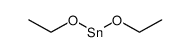
| 产品名称 | 乙醇锡(II) |
|---|---|
| 英文名称 | Tin(II)ethoxide |
| CAS编号 | 14791-99-2 |
| 产品熔点 | 200ºC (dec.) |
| 精确质量 | 209.97000 |
| PSA | 18.46000 |
| LogP | 0.59360 |
| 外观性状 | Powder | white to off-white |
| 溶解性 | Reacts with water |
| 稳定性 | 常温常压下稳定 避免的物料:水分/潮湿 氧化物 酸 空气 |
| 储存条件 | 常温密闭避光,通风干燥惰性气体下 |
相关文档
化学品安全说明书(MSDS)
下载MSDS质检证书(COA)
相关产品

| 风险声明 (欧洲) | 36/37/38 |
|---|---|
| 安全声明 (欧洲) | 26-36/37/39 |
| 危险品运输编码 | UN3180 |
| 包装等级 | II |
| 危险类别 | 4.1 |
|
Section 1: Product Identification Chemical Name:Tin(II) ethoxide, min. 99% CAS Registry Number:14791-99-2 Formula:[Sn(C2H5O)2]n EINECS Number:none Chemical Family:metal alkoxide Synonym:tin (II) ethanolate; ethanol, tin (II) salt; stannous ethoxide.
Section 2: Composition and Information on Ingredients IngredientCAS NumberPercentACGIH (TWA)OSHA (PEL) Title Compound14791-99-2100%0.1mg/m30.1mg/m3 Section 3: Hazards Identification Emergency Overview:Irritating to skin, eyes and respiratory tract. May be harmful if swallowed. Primary Routes of Exposure:Inhalation, skin and eyes Eye Contact:The solid and ethanol hydrolysis product causes moderate irritation of the eyes. Skin Contact:Dehydrating agent. Solid causes mild irritation of the skin. Dust causes moderate irritation to the upper respiratory tract. Ethanol vapor may cause dizziness and Inhalation: drowsiness Ingestion:Ingestion may cause gastrointestinal distress, nausea, vomiting and headache. Acute Health Affects:Irritating to skin, eyes and respiratory tract. May be harmful if swallowed. No data is available for this product. Prolonged exposure to ethanol vapors may be harmful to nerves and Chronic Health Affects: liver. Prolonged exposure to tin containing dust may result in benign pneumoconiosis. NTP:No IARC:No OSHA:No SECTION 4: First Aid Measures Immediately flush the eyes with copious amounts of water for at least 10-15 minutes. A victim may need Eye Exposure: assistance in keeping their eye lids open. Get immediate medical attention. Wash the affected area with water. Remove contaminated clothes if necessary. Seek medical assistance if Skin Exposure: irritation persists. Remove the victim to fresh air. Closely monitor the victim for signs of respiratory problems, such as difficulty Inhalation: in breathing, coughing, wheezing, or pain. In such cases seek immediate medical assistance. Seek medical attention immediately. Keep the victim calm. Give the victim water (only if conscious). Induce Ingestion: vomiting only if directed by medical personnel. SECTION 5: Fire Fighting Measures Flash Point:not applicable Autoignition Temperature:no data Explosion Limits:no data Extinguishing Medium:carbon dioxide, dry powder or foam If involved in a fire, fire fighters should be equipped with a NIOSH approved positive pressure self-contained Special Fire Fighting Procedures: breathing apparatus and full protective clothing. Hazardous Combustion andIf involved in a fire this material may emit toxic organic fumes and tin oxide dust. Decomposion Products: Unusual Fire or Explosion Hazards: No unusual fire or explosion hazards. SECTION 6: Accidental Release Measures Avoid contact with water. Small spills may be adsorbed into diatomaceous earth, sand, or other suitable Spill and Leak Procedures: adsorbent, and swept up. SECTION 7: Handling and Storage Store in a tightly sealed container in a dry place. If container is left open, product may adsorb moisture from Handling and Storage: the atmosphere and release ethanol vapor. SECTION 8: Exposure Controls and Personal Protection Eye Protection:Always wear approved safety glasses when handling a chemical substance in the laboratory. Skin Protection:Wear protective clothing and gloves. Ventilation:Material may form a vapor upon exposure to air. if possible, handle the material in an efficient fume hood. If ventilation is not available a respirator should be worn. The use of respirators requires a Respirator Respirator: Protection Program to be in compliance with 29 CFR 1910.134. Ventilation:Material may form a vapor upon exposure to air. if possible, handle the material in an efficient fume hood. Additional Protection:No additional protection required. SECTION 9: Physical and Chemical Properties Color and Form:white to off-white pwdr. Molecular Weight:208.83 Melting Point:200° dec. Boiling Point:no data Vapor Pressure:no data Specific Gravity:no data Odor:alcohol-like odor Solubility in Water:insoluble SECTION 10: Stability and Reactivity Stability:moisture sensitive solid Hazardous Polymerization:no hazardous polymerization Conditions to Avoid:none Incompatibility:strong oxidizing agents, sulfur, and sulfur compounds Decomposition Products:Carbon dioxide, carbon monoxide, organic vapors, and metal oxides and carbonates. SECTION 11: Toxicological Information RTECS Data:No information available in the RTECS files. Carcinogenic Effects:No data available Mutagenic Effects:No data available Tetratogenic Effects:No data available SECTION 12: Ecological Information Ecological Information:No information available SECTION 13: Disposal Considerations Disposal:Dispose of according to local, state and federal regulations. SECTION 14: Transportation Shipping Name (CFR):Non-hazardous Hazard Class (CFR):NA Additional Hazard Class (CFR):NA Packaging Group (CFR):NA UN ID Number (CFR):NA Shipping Name (IATA):Non-hazardous Hazard Class (IATA):NA Additional Hazard Class (IATA):NA Packaging Group (IATA):NA UN ID Number (IATA):NA SECTION 15: Regulatory Information TSCA:Not listed in the TSCA inventory. SARA (Title 313):Title compound not listed. Second Ingredient:none SECTION 16 - ADDITIONAL INFORMATION N/A |





 浙公网安备 33010802013016号